Cleansing, the first step in the Korean skincare routine, is fundamental. unfortunately, many people skip it.
a cleansing oil is also the first step in the famous Korean double-cleansing technique, going together like socks and shoes or shampoo and conditioner. This step prepares the skin for the Korean beauty ritual that we enjoy so much, me ecplain how this product will change your life.
Discription
The name says it all: cleansing oil is a cleanser formulated with ingredients based an oil. This doesn't mean that it's like washing your face with oilve oil. Actually, the oils used are specially formulated for facial skin so that they emulsify better and are easier to remove. Some of the most common ingredients used in these cleansers are jojoba seed, flax, onagri, argan, macadamia nut, cocnut and sunflower seed oil, but there are many others. Cleansing oils nourish the skin, and their texture is very pleasant: as they are vegetable oils, they slide onto the skin like silk.
Cleansing oil has aa 'magnetic effect', lifting out sebum, oily make-up and sun cream that have accumulated in the pores, something that no water-based cleanser can do, however good it may be. Thus, if your skin is too oily , you will be able to remove all the excess sebum and dirt. The result? Clean, soft and silky skin. Those who suffer from acne have fallen in love with this step precisely because it allows them to prevent and control outbreaks.
Method of use
We know what you're thinking: 'Why should I put oil on my face if I'm trying to decrease oiliness?' It may come as a surprise, but oil-based cleansers are very effective on oily and combination skin.
These cleansers are avaiable in a wide range of formulations, so you can easily find something that suits yourneeds. The most popular ones come in a small canister with a manual pump, and you need use only a couple of drops as it is very concentrated
Alternatively, you may also have seen cleansing balms, which come in small jars with a spatula for application. Balms have a thicker appearance, but they melt in contact with the skin, so are very easy to use a cleansing bar - very partical for carrying in your gym bag or using on your travels. Just twist off about a centimetre of product and apply it to your face.
How to apply a cleansing oil:
01Apply a few drops of oil onto dry skin, or a pea-sized amount of balm onto wet skin, and massage with circular movments so that the magnetic effect works all over face. Enjoy this moment of relaxing massage.
02Splash the face with tepid water, taking care to remove the cleanser throughly, as some brands require more time than others (it also depends on the quantity of sebum and dirt to be removed).
03Dry with a clean towel.
Myth-busting
Cleansing oils are great for any skin type: they hydrate mature and dry skin, they reduce the sebum of oily skin, and their gentle formulations usaully work well with sensitive skin. This is good news because they are the only way to ensure you have removed all your make-up before proceeding to the double-cleansing process.
certain amount of confusion surrounds the best time to use a cleansing oil. Many people think it should be used only at night to remove make-up and sun cream. Of course, it's really important to clean your face well at the end of the day, but cleansing it in the morning too will help to keep your skin radiant. That's because your skin continues to generate sebum while you sleep, and your face will accumulate differnet particles (such as oil) from contact with the pillow. Consequently, deep-cleansing your skin in the morning as the first step of your facial routine is the ideal way to begin the day.
What we like about cleansing oils
Thet are a pleasure to use.
They are perfect for all skin types, espacially oily skin.
Thet leave the skin soft and ready for hte rest of your beauty routine.
You will see instant results.
Favourites
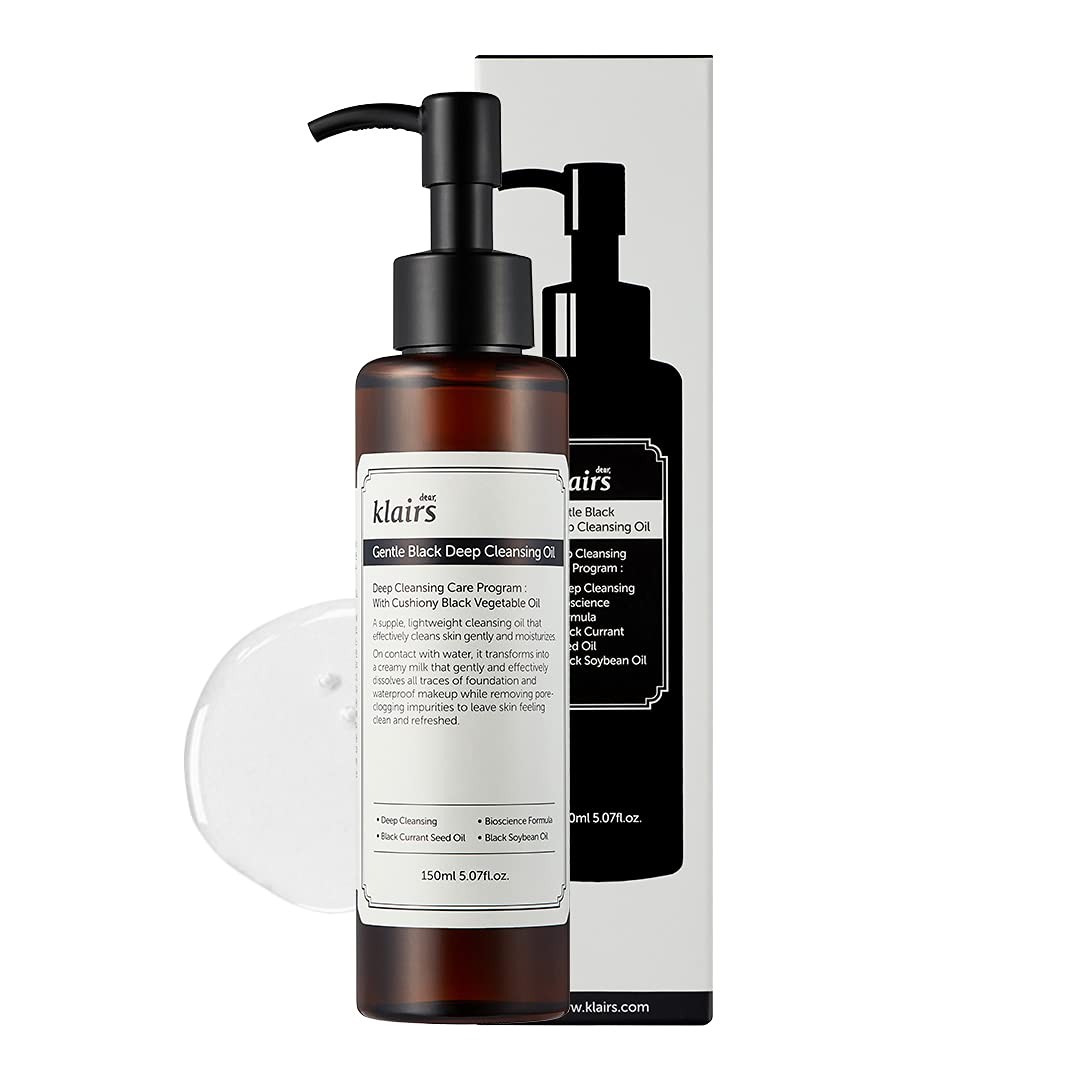
Gentle black deep cleansing oil by Klairs.
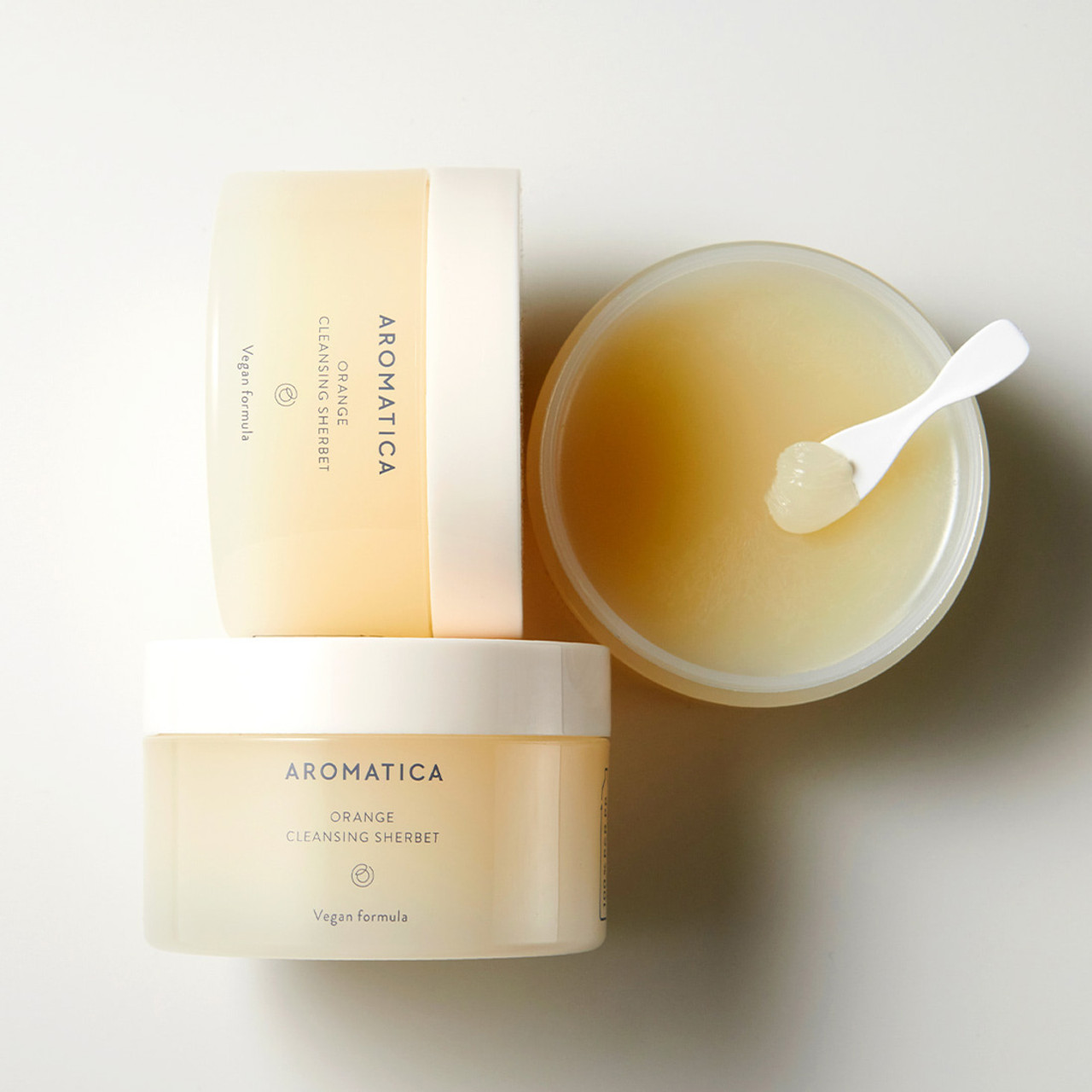
Orange cleansing sherbet by Aromatica
Ultra watery eoseongcho cleanser by A. BY BOM.
Water-based cleaner
클렌징픔
Now that the cleansing oil has given you purer and cleaner skin, the next step is to use a water-based cleaner.
Like the front on a good cappucino is essential to the coffee, the creamy foam of a water-based cleaner is the essential second step of the double-cleansing routine. As with cleansing ooil, a water-based cleaner removes oil, make-up and sun cream, but its main objective is to eliminate all water-based impurities, such as sweat or different types of contaminating particles. You have probably been doing this step mmost of your life, but you will surprised how combining it with the preveous step (cleansing oil) increaces its effectiveness. Your face will feel truly clean and ready for the remaining steps of the skincare routine.
Description
Yes, you've guessed it - this is a cleanser made principally from water. There are water-based cleansers for every skin type, as well as some for specific skin issues, such as acne outbreaks, dilated pores, dryness and hyoerpigmentation.
Cleansing foams have a very liquid consistency, but when you press the manual pump, they magically become a cushion of foam in your hand. We love the lightness of these cleansing foams and how the bubbles spread so easily over the face when they come into contact with the skin.
Gel cleanser are also avaiable, and (same as the namesuggest) have a ticker, more gelatinous texture. Apply to wet skin and the slippery gel will transform into a very pleasant foam.
If you prefer basic products or a vintage approach, why not try a bar of soap? That's right - a block of water-based cleanser (we promise you it's nothing like your grandmother's soap used to be). Korean facial soaps are carefully created by experts in the cosmetic sector and contain all the ingredients necessary to deeply replenish your skin. It you're on a limited budget, you may well prefer these barrs of soap because they last for a very long time.
Method of Use
You might not think that there's much to learn about using one of these cleansers, but how do you know if you've been doing it right all these years?
How to apply a water-based cleanser:
01Wet the face with tepid water. The water temperature is important because if it's too cold, it will be more difficult to clean the pores deeply. On the other hand, if it's too hot, you could damage the skin's natural hydration barrier.
02Apply a little of the product to your fingers and massage over the face, making upwards circular movements to create a foam.
03Remove by splashing gently with tepid water.
04Dry with a clean towel and towel and your skin will look like new!
Myth-Busting
'It's enough to wash your face with a single type of cleanser.' We've already smashed this very common myth, haven't we? One more time: it's best to begin with a cleansing oil and then wash the face with a water-based cleanser.
We've spoken about the importance of water temperature, but if we were to visit your bathroom, were would we find your cleanser? If it's in your shower, you're doing it wrong! Washing your face in the shower may be practical , but the water is too hot and pressure is too strong, so use your sink instead.
Another common error is that some people avoid water-based cleansers at all costs because they fear they will dry out their skin. Poor-quality cleansers might do this, but it won't happen with Korean cosmetics! Their exellent formulations with natural and clean your skin, leaving it healthy and hydrated, which is the whole point of the double-cleansing routine. If you have dry skin, try using a hydrating cleanser - there are lots of options avaiable.
What we like about water-based cleansers
The foam made by these cleansers is like a bubble bath for the face. Including them in your routine will become the best part of your day!
Just like a professional treatment, water-based cleansers wil remove all impurities from your face, leaving the skin extra clean.
There are a wide variety of cleansers avaiable, so you can find a perfect option for every issue or skin type.
Favourites
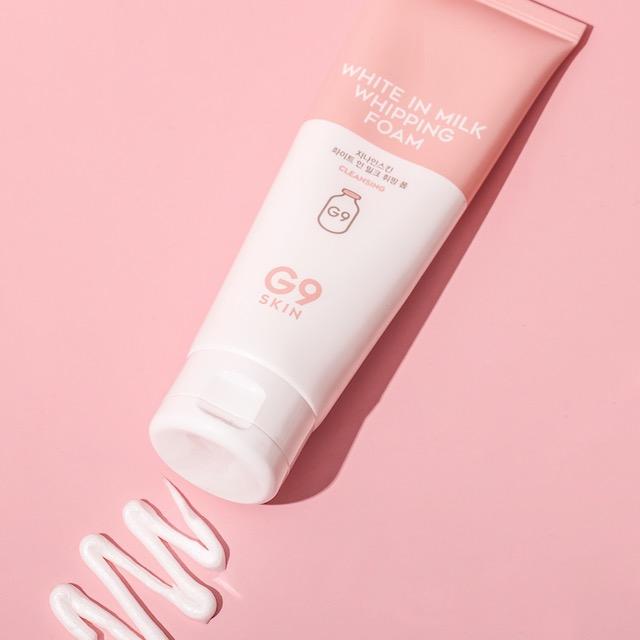
White in milk whipping foam by G9SKIN
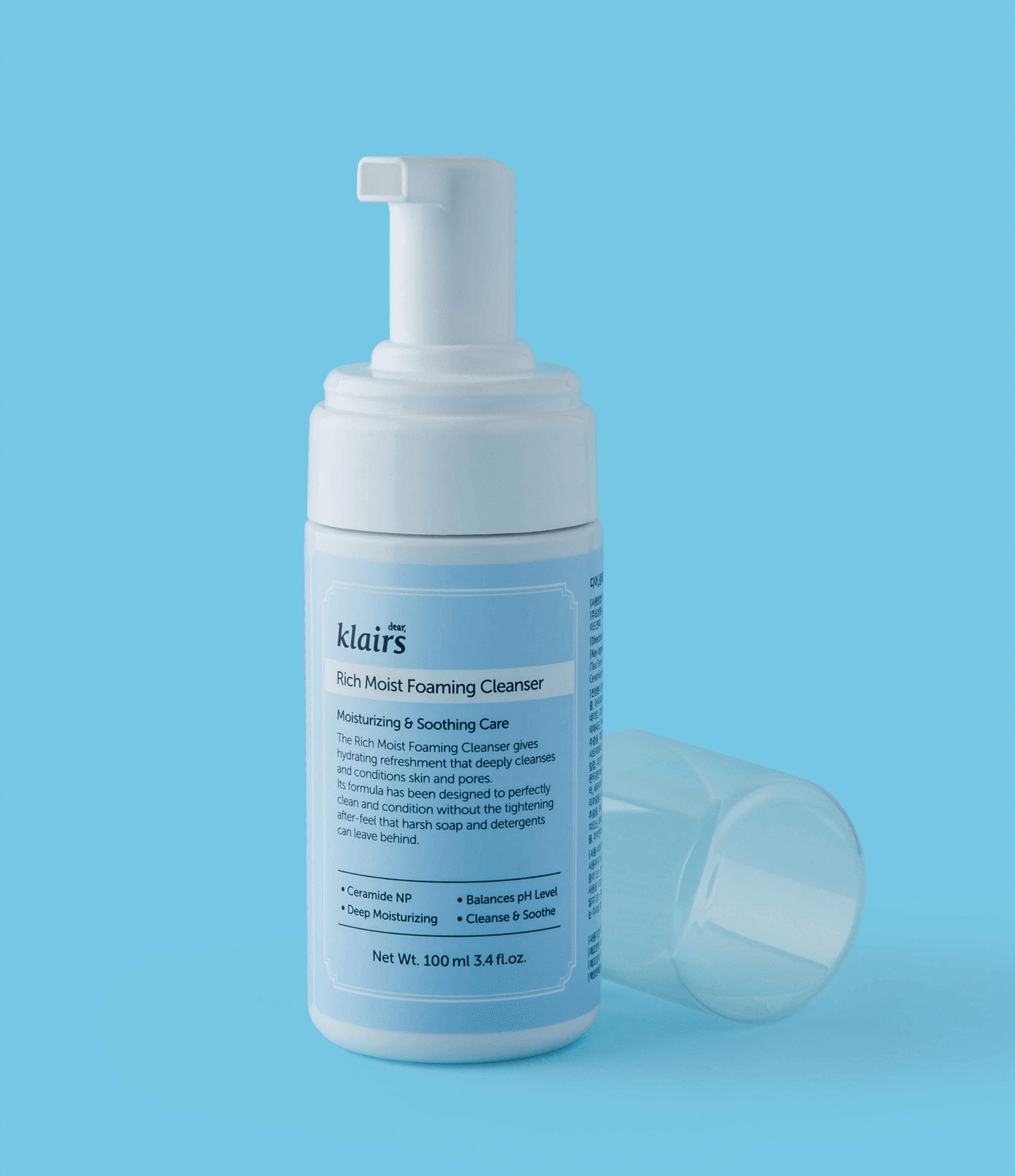
Rich moist foaming cleanser by KLAIRS
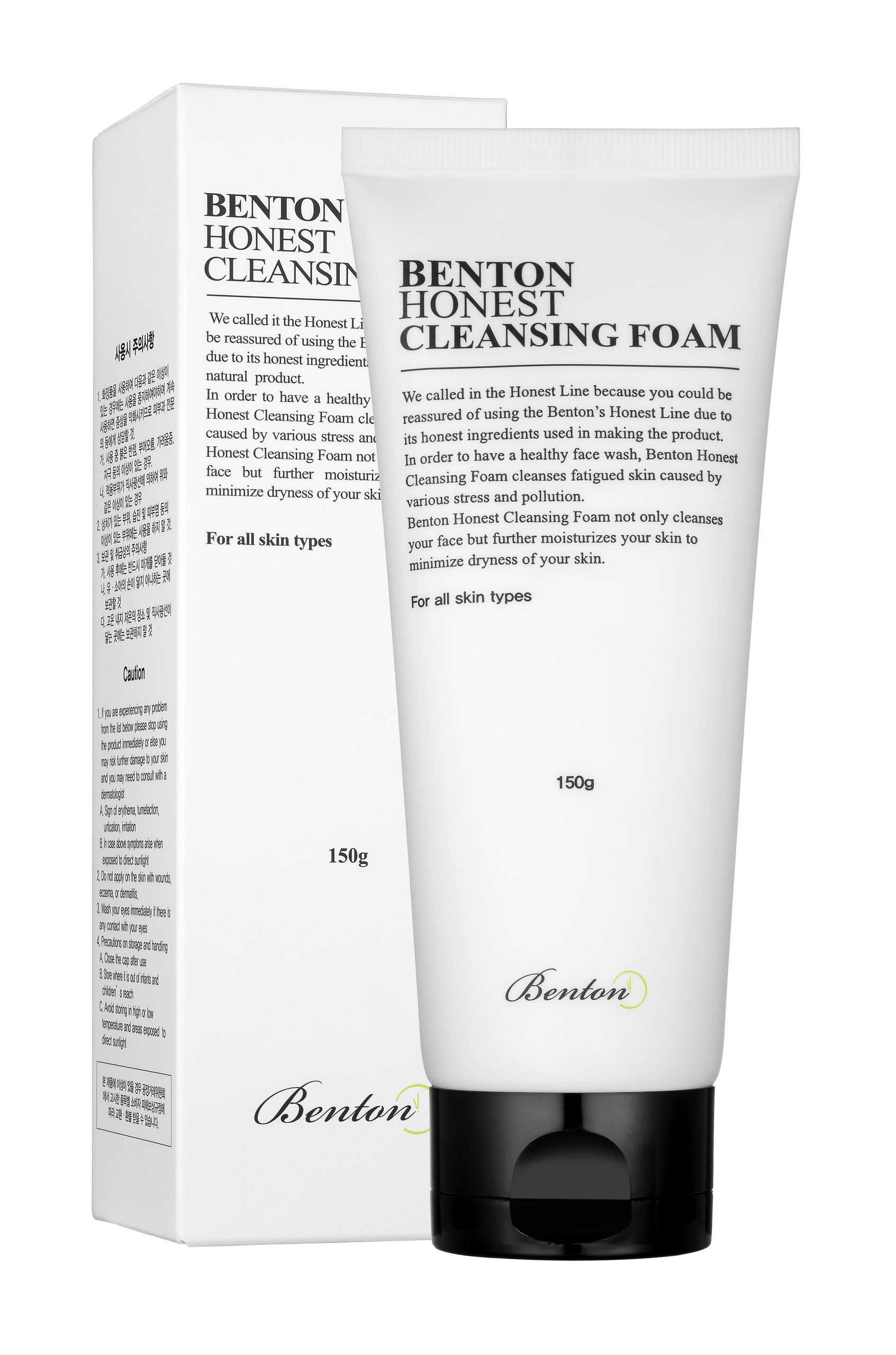
Honest cleansing foam by BENTON
Exfoliant
스크럽
Exfoliation - The removal of dead skin cells - is a vital part of the Korean skincare routine.
Here's a secret: if you feel a little intimidated by all of the steps of the Korean skincare routine, don't worry. You don't have to do all these steps evey day. Exfoliation is one of these steps that is only done occasionally.
The frequency of Exfoliation depends on your skin type and the product you use. Exofliating your face is like cleaning a diamond. There are many different methods of exfoliation. All of them will leave your skin shining and with a perfect texture.
Description
An exofiant is a product that removes dead cells from the skin and unifies its texture. As scientists tells us, the skin is constantly renewing itself: skin cells are produced in the inner layers of the epidermis and rise to the surface of the skin, the corneal layer. Over time, these cells dia and fall off, but exfoliation accelerates the process of elimination, which prevents the skin looking dull.
These are two types of exfoliation, mechanical and chemical, both of which are described below:
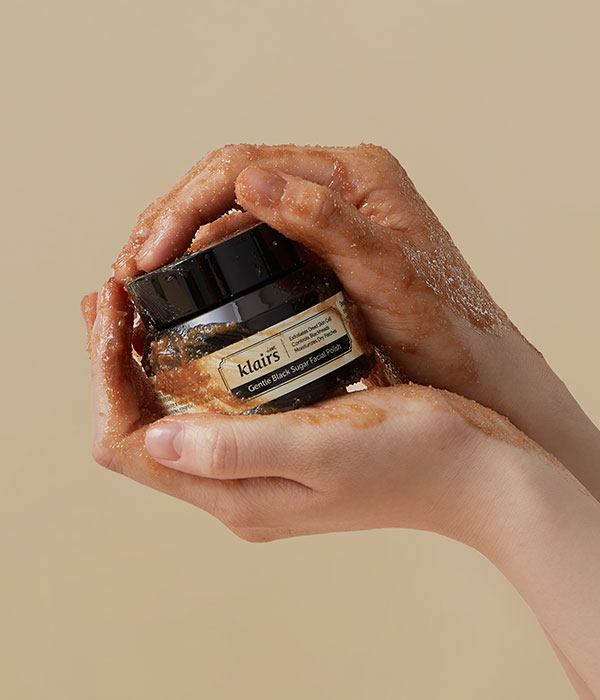
Mechanical exfoliationis the more common process. It involves using a product with small particles to rub off dead cells. The result is fresh and radiant skin.
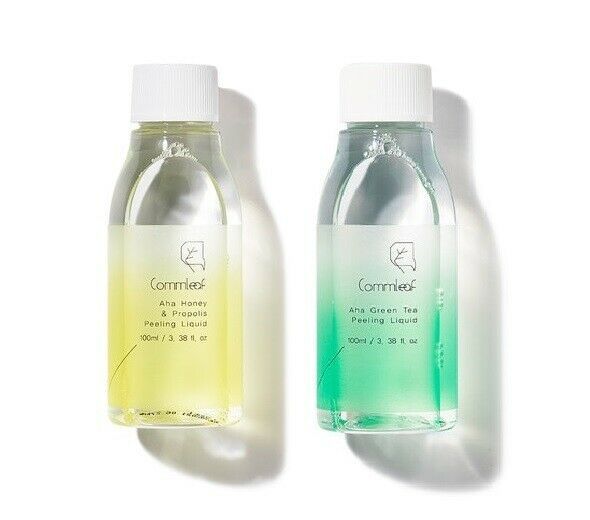
Chemical exfoliationuses an acid-based liquid to weaken the lipids that bond the top layers of skin together, thus eliminating dead skin cells. Korean chemical exofiants tend to use either alpha-hydroxyl acid (AHA) or beta-hydroxyl acid (BHA). The word 'acid' might sound alarming, but the produccts are quite safe as long as you follow the directions for use. You've probably already used one without even knowing it!
Some examples of AHA are latic acid, glycolic acid (made from sugar cane) and vegetables enzymes froù fruit extracts, such as apple, papaya and pineapple. AHA works the surface more than BHA and is a fantastic option to ttreat wrinkles and sun-damaged skin. If you have oily skin or suffer sporadic outbreaks of ance, BHA will be your best friend. Anyone who suffered from ance as a teenager knows what makes BHA so popular: salicylic acid. It penetrates the pores to dissolve sebum and dirt, leaving the skin radiant and the pores reduced in size. The results will surprise you!
A word of warning: you must be careful with chemical exfoliants and avoid abosing acids or using them if it isn't necessary. They must not be combined with other aggressive ingredients ot htose with high proportions of other acids, as this can be damage or dry the skin. AHA and BHA CAN BE USED together without any problem, as long as you don't overdo it. Sart by trying them a couple of nights a week and observe how your skin reacts. If you use them in the morning, don apply a sun cream afterwards because the acids reduce the skin's natrual protection from the sun.
Method of Use
The 2 types of exfoliant require different methods of application, as explained below.
How to apply a mechanical exfoliant:
01After double-cleansing, massage a little of the exfoliantt onto wet facial skin, avoiding the eyes.
02Rinse off with tepid water.
How to apply a chemical exfoliant:
01After double-cleansing, use a cotton wool pad to apply the axfoliant to the face, avoinding the eye area.
02Wait for the product to dry and proceed with the remaining steps of the facial routine.
Myth-Busting
Not all mechanical exfoliants are the same, so it's important to check the ingredients before making a purchase. Avoid those containing particles of seeds or fruit husks, as they arre too coarse for delicate facial skin and can scratch the outer layer. For the same reason, never use body exfoliants on the face.
I f you know how to use them, exfoliants are not aggressive A mechanical exfoliant can be used once a week on normal or dry skin, or up to twice a week on oily or combination skin.
If you suffer from ance, do not use a mechanical exfoliant after an outbreaks as it will only irritate the skin further. Alternating differnet types of exfoliant will radically improve your appearance.
What we like about exfoliants
There is nothing like the sensory experience of a mechanical!
Chemical exfoliants are easy to use and achieve miracles with blackheads and pimples, as well as giving new life to tired skin.